

Overview
Motorcycle accidents can involve several contributing factors. Learning about common road risks can help riders make informed choices about safety, training, and protective gear. No precaution eliminates every risk, and a crash’s cause and legal responsibility require an individual assessment.
Common Causes of Motorcycle Accidents
Explore situations that can contribute to crashes and learn how they happen.
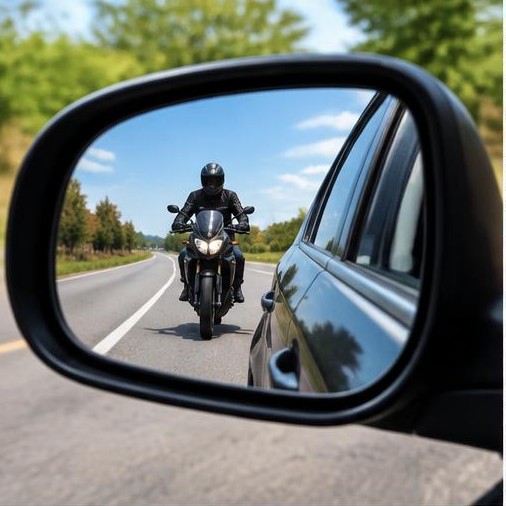
Driver Negligence
Drivers who fail to look for motorcycles can put riders at risk.
Learn More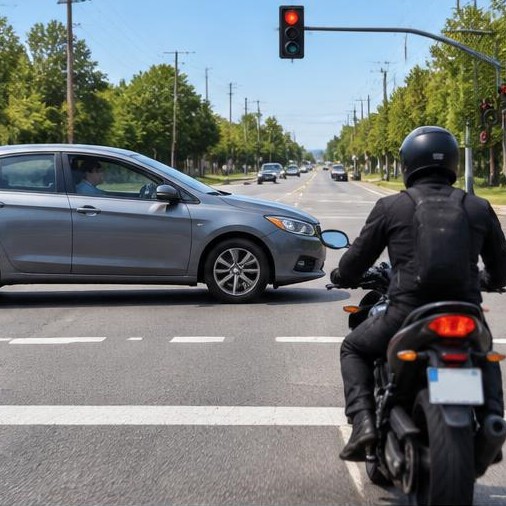
Left-Turn Accidents
A turning vehicle can cross the path of an approaching motorcycle.
Learn More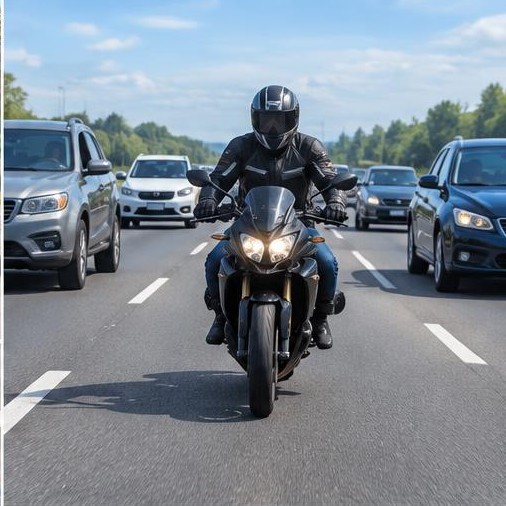
Lane Change Accidents
Motorcycles can be overlooked when drivers change lanes without checking.
Learn More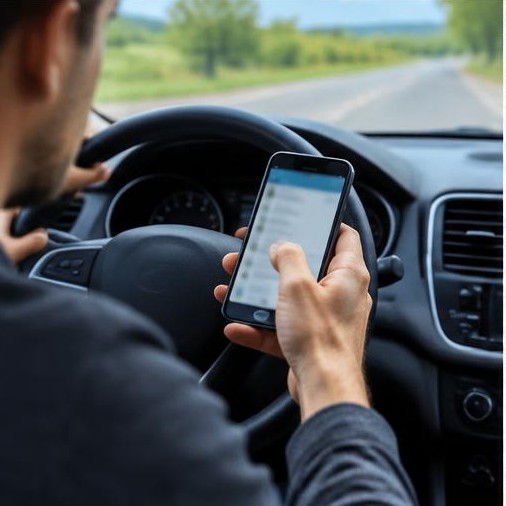
Distracted Driving
Phone use and other distractions take attention away from the road.
Learn More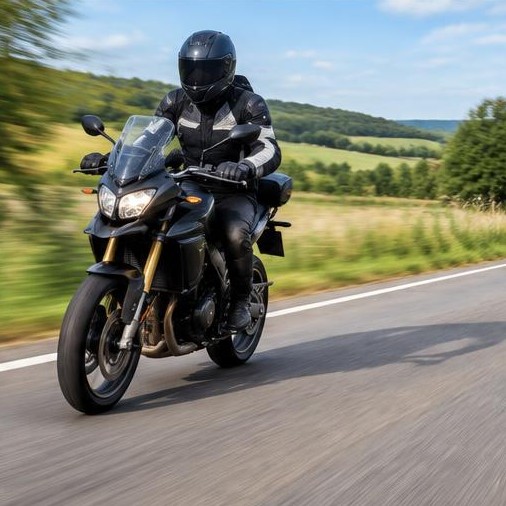
Speeding and Reckless Driving
Excessive speed reduces time to react and can increase crash severity.
Learn More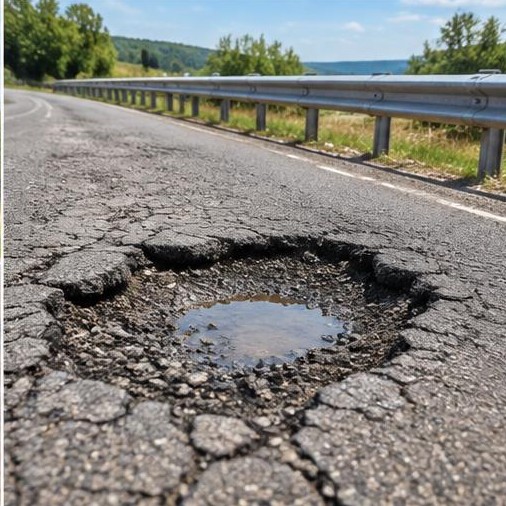
Road Hazards
Potholes, debris, and uneven surfaces can affect a motorcycle’s stability.
Learn MoreDriver Negligence
A driver may fail to yield, follow too closely, or overlook a motorcycle. Riders can be difficult to notice in traffic, but all road users must remain attentive. Scan ahead, allow space, and avoid assuming that another driver has seen you. Whether conduct amounts to negligence depends on the facts and applicable law.
Left-Turn Accidents
A vehicle turning left can enter the path of an oncoming rider when its driver overlooks the motorcycle or misjudges the available gap. Approach intersections cautiously, watch turning vehicles, and keep room to respond. A turn signal or eye contact is not a guarantee that a driver will yield.
Lane Change Accidents
A lane change can become dangerous when a driver fails to check mirrors and blind spots or moves into an occupied lane. Avoid lingering beside vehicles, maintain space, and watch for signs of a vehicle moving into your path. Riders should also check carefully before changing lanes.
Distracted Driving
Texting, using a phone, adjusting controls, or other distractions can divert eyes, hands, or attention from driving. A distracted road user may miss a motorcycle, traffic signal, or developing hazard. Put devices away and stay focused; riders should avoid distractions as well.
Speeding and Reckless Driving
Speeding leaves less time to respond and makes it harder to stop or negotiate a curve. Aggressive driving, unsafe passing, and following too closely add risk. Choose a speed suited to traffic, visibility, road conditions, and your ability, even when the posted limit permits a higher speed.
Road Hazards
Gravel, potholes, debris, uneven pavement, and slippery surfaces can reduce traction or upset balance. Scan ahead, reduce speed before uncertain surfaces when safe, and avoid sudden inputs. Do not make a dangerous maneuver to avoid a hazard; rider training can help build appropriate responses.
Impaired Driving
Alcohol and drugs can impair judgment, coordination, and reaction time for riders and drivers. Never ride impaired, and arrange a sober alternative before drinking.
Weather Conditions
Rain, wind, and reduced visibility can affect traction and control. Increase space, make smooth inputs, and delay a ride when conditions exceed your skills or equipment.
Unsafe Road Design
Sharp curves, limited sight lines, and changing road surfaces require extra caution. Road design may be one factor in a crash, but responsibility cannot be determined from road appearance alone.
Mechanical Failures
Problems with tires, brakes, lights, or other equipment can compromise control and visibility. Check your motorcycle before riding, follow its service schedule, and have safety-critical problems assessed by a qualified mechanic.
Frequently Asked Questions
Further Reading
NHTSA: Motorcycle SafetyMotorcycle Safety Foundation: Rider EducationGeneral educational information, not legal advice or a substitute for rider training. Laws and individual circumstances vary. Images are illustrative.