

Why Motorcycle Safety Matters
Motorcycle riding can be an enjoyable and rewarding experience, but it also comes with unique risks. Unlike passenger vehicles, motorcycles provide less protection, making riders more vulnerable to serious injuries. Understanding safety practices and taking preventive measures can help reduce risk and support safer riding.
Reduce Accident Risk
Learn how to identify and avoid common hazards.
Protect Your Health
Choose protective gear and develop safe riding habits.
Stay Informed
Understand traffic laws and changing road conditions.
Enjoy the Ride
Build confidence and make riding safer and more enjoyable.
Key Motorcycle Safety Topics
Explore essential safety topics to help you prepare and ride with confidence.

Essential Safety Gear
Learn about helmets, protective clothing, and other gear that can help protect you.
Learn More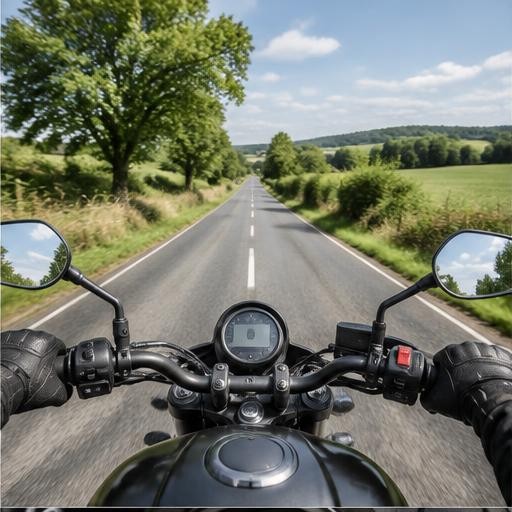
Defensive Riding Techniques
Practice safe riding habits and learn how to anticipate and avoid dangers.
Learn More
Common Causes of Accidents
Recognize situations that can contribute to crashes and plan ahead.
Learn More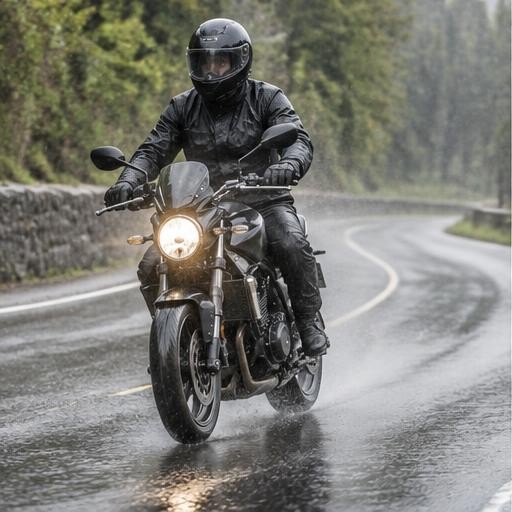
Weather and Road Conditions
Get tips for riding safely in different weather and road conditions.
Learn More
Motorcycle Maintenance
Keep your motorcycle in good condition to support a safer ride.
Learn More
Riding with Passengers
Learn safe habits for carrying passengers and maintaining control.
Learn MoreRiding Safety Tips: Your Pre-Ride Checklist
- Wear a properly fitted helmet and protective gear
- Check tires, brakes, lights, and controls
- Ride sober, rested, and focused
- Choose a speed suited to conditions
- Leave space and scan for hazards
- Review the weather and your route
Essential Safety Gear
Choose a properly fitted, DOT-compliant helmet and wear eye protection. Motorcycle-specific jackets, pants, gloves, and over-the-ankle boots can help protect against abrasion and impact. Inspect gear for damage and follow the manufacturer’s replacement guidance.
Defensive Riding Techniques
Scan ahead, leave space around your motorcycle, and keep an escape route in mind. Avoid lingering in blind spots and never assume a driver has seen you. Approach intersections cautiously and adjust speed before curves. Practice braking and cornering with a qualified instructor.
Common Causes of Motorcycle Accidents
Turning vehicles, unsafe lane changes, speed, distraction, impairment, and loss of traction can contribute to crashes. Stay alert to vehicles entering your path, ride within your ability, and never ride impaired or when fatigue affects your attention.
Hazard Awareness
Watch for gravel, potholes, road debris, painted markings, metal covers, and uneven pavement. Reduce speed before uncertain surfaces, allow room to react, and avoid sudden steering or braking inputs. If a route becomes unsafe, stop in a safe location or choose another route.
Motorcycle Maintenance
Before riding, check tire condition and pressure, brakes, lights, controls, fluid levels, and visible leaks. Check the chain or belt according to the owner’s manual. Follow the manufacturer’s service schedule and have safety-critical problems assessed by a qualified mechanic.
Weather and Road Conditions
Rain, strong winds, low visibility, and temperature changes can affect traction and control. Reduce speed, increase following distance, and make smooth inputs. Avoid riding in conditions beyond your skills or equipment; postponing a trip can be the safest choice.
Riding with Passengers
Carry a passenger only when the motorcycle is designed and equipped for one and you have the experience to do so safely. Both people need appropriate protective gear. Explain how to mount, use footrests, and move with the motorcycle. Follow the manual for load, tire pressure, and suspension settings.
New Rider Guide
Take a recognized rider training course and obtain the required license or endorsement. Start on a motorcycle you can comfortably control, practice in a suitable supervised setting, and gradually build experience. Avoid taking passengers before you are ready.
Further Reading
General educational information, not a substitute for hands-on training, your motorcycle’s owner’s manual, or current local traffic laws. Images are illustrative.