

What You’ll Learn
A motorcycle insurance claim is a request for payment under an applicable policy. You may seek payment under your own coverage or from another driver’s insurer, depending on the circumstances. Coverage, responsibility, evidence, and policy terms determine what the insurer considers.
How Claims Work
Follow the claim process from reporting to a decision.
Types of Coverage
Review the protections included in your policy.
Required Documents
Gather evidence and keep your records together.
Claim Disputes
Explore options for denied or delayed claims.
Your motorcycle policy controls. Limits, deductibles, exclusions, and state law vary. This guide is educational information, not a coverage decision or legal advice.
Motorcycle Insurance Claim Process
Typical stages—not fixed deadlines or a promise of payment.
- 1
Report the Accident
After addressing safety and medical needs, notify the insurer promptly using its claim instructions. Ask for a claim number and a contact person.
- 2
Confirm Coverage
Review the declarations page, applicable coverage, limits, deductibles, and exclusions. Ask which documents and policy requirements apply.
- 3
Submit Your Evidence
Provide the requested accident details, photos, estimates, and relevant records. Keep copies and a dated record of what you send.
- 4
Review the Investigation
The insurer may review damage, liability, and coverage. Respond accurately and ask in writing about missing information or unexplained delays.
- 5
Evaluate the Decision
Review the written explanation, valuation, and any proposed settlement or release. Ask questions about disputed amounts before agreeing.
- 6
Resolve or Dispute
If you disagree, request reconsideration with supporting evidence, use the insurer’s appeal process, or ask your state insurance department about a complaint.
Popular Insurance Claim Resources
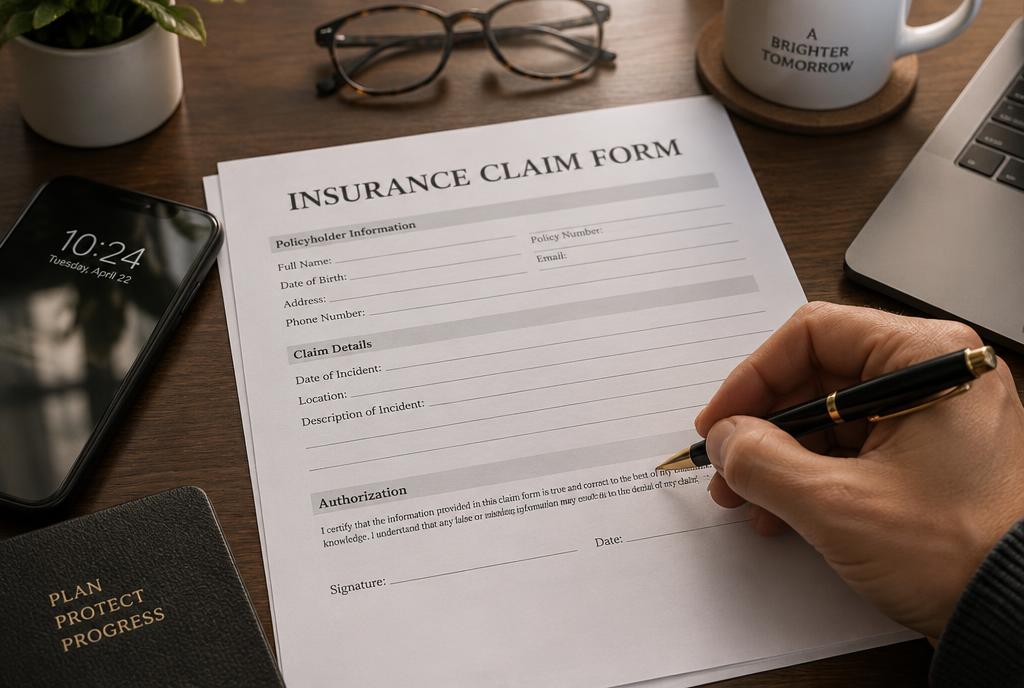

Types of Motorcycle Insurance Coverage
Check which protections your motorcycle policy actually includes.
Liability Coverage
May cover injury or property damage you cause to others, subject to the policy. It generally is not coverage for your own motorcycle damage.
Collision Coverage
May cover damage to your motorcycle from a collision, subject to the deductible, limits, and terms.
Comprehensive Coverage
May cover specified non-collision losses, such as theft or certain weather damage, subject to policy terms.
Uninsured / Underinsured Motorist
May protect against certain losses involving a driver with no insurance or inadequate insurance. Availability, scope, and rules vary.
Medical Payments
May pay covered medical expenses under the policy’s limits and conditions. Confirm whether it applies to the motorcycle and occupants.
Personal Injury Protection
PIP rules vary by state, and motorcycles may be excluded or treated differently. Do not assume your motorcycle has PIP coverage.
Required Documents and Evidence
0 of 10 collectedThe insurer’s requests vary; use this as a starting point, not a universal requirement.
Communicating with Insurance Companies
- Provide accurate facts; distinguish what you know from what you do not know.
- Keep the claim number, adjuster’s details, and dated notes from each conversation.
- Ask what is still needed and request important explanations in writing.
- Review requested statements, authorizations, and releases; ask about their scope and seek legal advice if uncertain.
Common Reasons for Claim Denials
Possible issues to review—not findings about your claim.
Coverage or Exclusions
The insurer may contend that the policy does not cover the loss or that an exclusion applies. Ask for the specific provision.
Policy Status
There may be a dispute about whether the policy was in force at the time of the accident. Request the relevant dates and records.
Notice or Cooperation
The insurer may raise a policy reporting or cooperation requirement. The effect of a disputed condition depends on the policy and applicable law.
Evidence or Liability Disputes
Missing records, conflicting accounts, or disagreements about fault or the claimed damage can lead to a disputed decision.
Responding to Denied, Delayed, or Disputed Claims
If your claim is delayed, ask the adjuster what information is still needed and request a written explanation and next step. Keep dated copies of your follow-ups.
- Request the written decision and the policy language and facts the insurer relied on.
- Compare the explanation with your policy and records; identify missing evidence or errors.
- Ask about the insurer’s reconsideration or appeal process, and submit a written response with supporting documents.
- Contact your state insurance department about its complaint process if the issue remains unresolved.
- Ask a licensed attorney about disputed rights, settlement releases, or time-sensitive legal options.
An appeal or regulator complaint does not guarantee payment. Do not assume it pauses policy deadlines or the deadline to file a lawsuit.
Frequently Asked Questions
Official Insurance Resources
- NAIC: What You Should Know About Filing an Auto Claim
- NAIC: How to File an Insurance Complaint
- California Department of Insurance: Automobile Insurance Guide
General auto-insurance resources provide background; motorcycle coverage must be confirmed under your own policy and state law. This website is not a law firm. Photographs are illustrative.